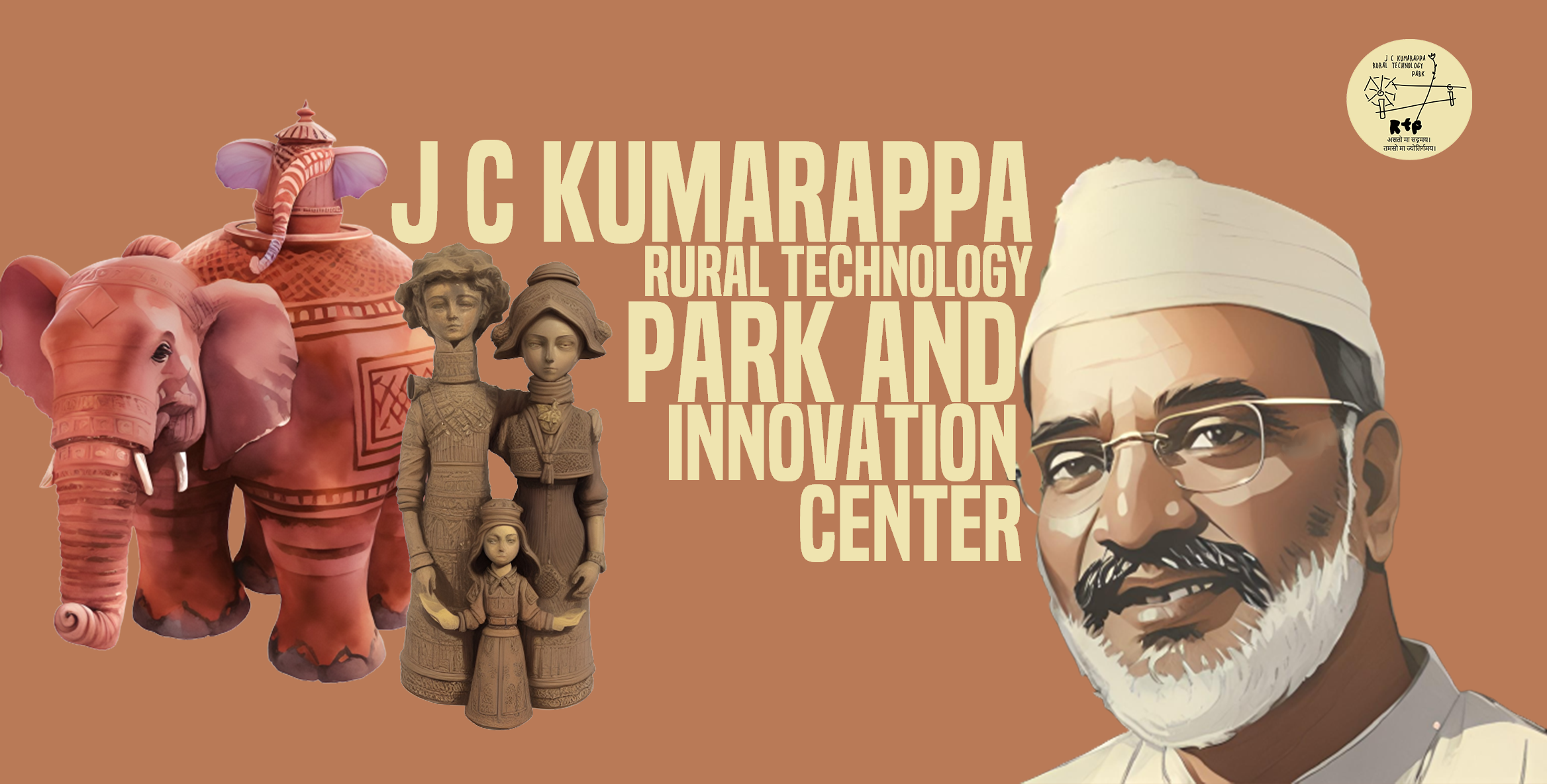

In the vast landscape of India, where rural communities make up a significant portion of the population, preserving and promoting traditional crafts and skills is of paramount importance. Centurion University’s J C Kumarappa Rural Technology Park and Innovation Center (JRTPIC) stands as a beacon of hope for aspiring rural artisans, technicians in rural areas. This institution, named after the renowned Indian economist and Mahatma Gandhi’s associate, J C Kumarappa, serves as a platform to impart knowledge and expertise in the field of Rural Technologies.
By empowering its students with valuable skills and preserving the rich cultural heritage, this training and innovation center is making significant strides in bridging the gap between rural artisans and modern opportunities.
Objectives of JRTPIC:
Promote Rural Technologies: The primary objective of the center is to promote and disseminate knowledge about rural technologies that can uplift the living standards of rural communities. This includes introducing sustainable and appropriate technologies that address the specific needs and challenges faced by rural areas.
Empower Rural Communities: The center aims to empower rural communities by providing them with the necessary technical skills and knowledge to implement and maintain various rural technologies. By doing so, it seeks to create self-reliant and self-sustaining rural economies.
Preserve and Promote Traditional Knowledge: The center recognizes the value of traditional knowledge, especially in agriculture and handicrafts. It aims to preserve and promote these traditional practices, combining them with modern technologies for better outcomes.
Inspire Gandhian Ideologies: The center is inspired by the ideologies of J C Kumarappa, a Gandhian economist who advocated for sustainable and decentralized economic development. It seeks to propagate these Gandhian principles and foster a deeper understanding of their relevance in the context of rural development.
Facilitate Research and Innovation: The center encourages research and innovation in the field of rural technologies. It provides a platform for students and researchers to explore new ideas and solutions that can positively impact rural communities.
Outcomes of JRTPIC:
Skilled Rural Workforce: The center aims to produce a skilled workforce equipped with practical knowledge in various rural technologies. Graduates of the training center will be capable of implementing sustainable solutions in rural areas, contributing to local development.
Improved Rural Livelihoods: Through the dissemination of appropriate technologies and the preservation of traditional knowledge, the center seeks to enhance rural livelihoods. This includes increased agricultural productivity, improved income opportunities through handicrafts, and reduced dependency on external resources.
Awareness and Sensitization: The center plays a pivotal role in sensitizing people, both within and outside rural communities, about the importance of rural technologies, agriculture, and handicrafts. This awareness can lead to greater support and appreciation for rural development efforts.
Promotion of Gandhian Values: By propagating the ideals of J C Kumarappa and Mahatma Gandhi, the center aims to foster a sense of community, sustainability, and self-reliance among its students and the wider audience. This can contribute to a more socially conscious and responsible society.
Replication and Expansion: The success of the center can inspire the establishment of similar initiatives in other regions, leading to a network of rural technology parks and training centers. This expansion can further accelerate rural development and knowledge exchange across the country.
Innovative Solutions: The research and innovation encouraged by the center can result in the development of new and improved technologies tailored to the specific needs of rural communities. These innovations can address challenges such as water scarcity, energy access, and sustainable agricultural practices.
The JRTPIC aims to create a positive impact on rural India by equipping individuals with the right skills and knowledge, promoting sustainable practices, and instilling the values of self-reliance and community-based development.